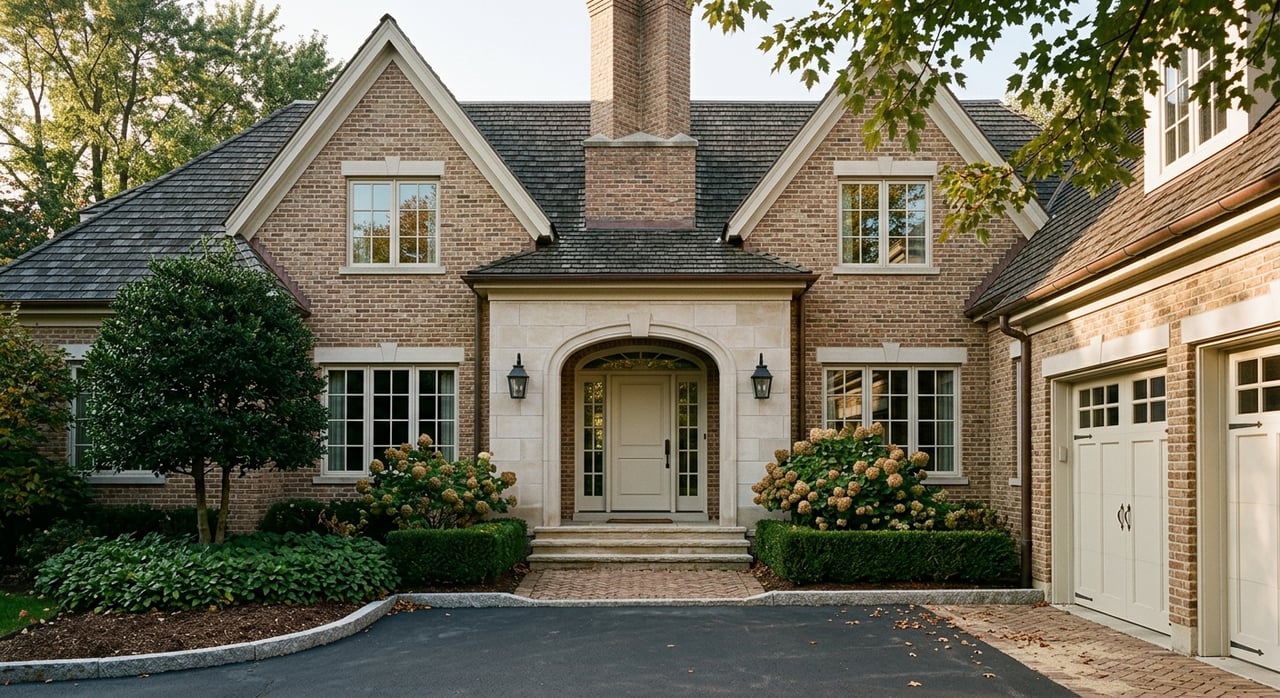
Selling a condo or townhome in Paramus is not the same as selling a single-family home down the street. In a market where values are high and buyers are looking closely at both the unit and the community around it, small details can have a big impact on your timing, pricing, and final net proceeds. If you want to avoid delays and position your home well, it helps to understand the local paperwork, pricing strategy, and what buyers actually value in attached living here. Let’s dive in.
Know what buyers compare
When buyers look at a condo or townhome in Paramus, they are not just comparing square footage and finishes. They are also comparing convenience, shared amenities, monthly costs, and the overall ease of ownership.
That matters in Paramus because the borough offers a strong lifestyle story. According to the U.S. Census QuickFacts for Paramus, the borough had an estimated 26,786 residents, an 82.6% owner-occupied housing rate, and a median owner-occupied home value of $813,900. Paramus is also widely recognized as a major retail and commerce hub, with access to Routes 4 and 17 and the Garden State Parkway, which adds real value for buyers seeking convenience and low-maintenance living.
Price against attached-home comps
One of the biggest mistakes sellers can make is pricing a condo or townhome based on nearby single-family sales. In Paramus, that can create a mismatch between buyer expectations and market reality.
Current value trackers show Paramus performing at a high level. Zillow’s Paramus home value data placed the average home value at $1,012,734 as of February 28, 2026, while Redfin reported a February 2026 median sale price of $1,175,000 for ZIP code 07652. At the same time, Bergen County’s townhouse-condo segment was notably lower, with a February 2026 median sales price of $455,000 and median days on market at 51.
The takeaway is simple: your home should be priced using relevant condo or townhome comparables, not the broader single-family market. A strong pricing strategy should account for your specific community, monthly fees, layout, condition, and how your unit stacks up against similar attached homes currently on the market.
Highlight the Paramus lifestyle
A great listing does more than describe the inside of your home. It explains why living there is practical, comfortable, and appealing to the right buyer.
In Paramus, that often means emphasizing location and convenience. Buyers may respond to the combination of major shopping destinations, strong road access, and the lower-maintenance appeal that often comes with condo and townhome ownership. Those features can be just as important as renovated kitchens or updated baths.
For attached homes, the community context also matters. Buyers want to understand not only your unit, but also how the building or development supports everyday living. Clear, factual presentation helps them see the full value of the opportunity.
Prepare association documents early
For many Paramus condo and townhome sales, the biggest friction point is not staging. It is paperwork readiness.
Before you list, you should be ready to explain what the monthly association fee covers, whether there are any special assessments, and whether there are community rules that may affect a buyer’s decision. These details are specific to your property, but they can shape both buyer interest and deal timelines.
This step matters even more because New Jersey housing guidance treats condominium and cooperative associations as the property owner for certain registration purposes, and places responsibility for common and exterior violations on the association. According to the New Jersey Department of Community Affairs FAQ, associations are generally responsible for correcting violations in common and exterior areas, which makes early coordination especially important.
Confirm if your townhome is fee simple
If you are selling a townhome, do not assume it follows the exact same path as a condominium. The legal structure can affect what documents are needed and how the transaction moves forward.
The New Jersey DCA notes that some fee-simple townhouses may be exempt from Bureau jurisdiction under certain conditions. That means your document checklist may differ from a condo sale, even if the homes look similar on the outside. Clarifying this early can help prevent delays later in the process.
Handle Paramus resale requirements first
Paramus has its own local requirement that sellers should address early. If you wait too long, it can affect your closing timeline.
The borough requires a Certificate of Compliance for selling or renting a home. According to the Paramus Certificate of Occupancy and Compliance page, the fee is $100, the certificate is mandatory for real estate closings, and sellers are advised to close out prior permits before applying. The borough also states that open construction permits must be closed at least one week before scheduling the resale or tenancy inspection, with inspections performed Monday through Friday from 9:00 a.m. to 12:00 p.m.
That makes permit review a smart first step. If your unit had past work done, confirming permit status before you go active can save valuable time once you are under contract.
Understand state inspection rules
Local and state rules are not always the same, and that can cause confusion for sellers. In Paramus, it helps to separate the borough’s resale certificate requirement from state-level inspection rules.
The New Jersey DCA FAQ states that a Certificate of Inspection is not required simply because an owner is selling or refinancing a property. For condo and co-op properties, the association usually handles notice for cyclical inspections and is responsible for common and exterior violations.
In practical terms, that means you may still need Paramus’s required local certificate for closing even though a state certificate is not automatically triggered by the sale itself. Knowing the difference can make the process feel much more manageable.
Plan for transfer taxes
Your sale price is important, but your net proceeds matter more. In Paramus, that means paying attention to New Jersey transfer taxes, especially for higher-value sales.
The New Jersey Division of Taxation says the Real Estate Transfer Fee is imposed on the seller when a deed is recorded. It also states that a Graduated Percent Fee applies to residential property transfers over $1 million, with rates ranging from 1% to 3.5% depending on the consideration.
Because Paramus values often reach or exceed the $1 million mark, this is not a minor line item. A clear pre-listing strategy should factor in likely taxes and fees so you have a realistic picture of your expected proceeds before you accept an offer.
Focus on the right pre-listing work
If you are getting ready to sell, your best return usually comes from doing the right work in the right order. For a Paramus condo or townhome, that means combining presentation with process.
A smart pre-listing plan often includes:
- Reviewing recent attached-home comparables
- Confirming whether the property is condo-style or fee simple
- Gathering association documents and fee information
- Checking for special assessments or community restrictions
- Closing open permits before applying for the borough certificate
- Preparing the home for professional photography and marketing
When those steps are handled early, your sale is more likely to move smoothly from listing to closing.
Why strategy matters in Paramus
Paramus is a distinct market, and attached-home sellers benefit from a strategy built around that reality. Buyers are often weighing convenience, condition, monthly carrying costs, and ease of ownership all at once.
That is why a successful sale usually comes down to three things working together: accurate pricing, fast document readiness, and marketing that clearly explains the value of the home and its location. When those pieces are aligned, you put yourself in a stronger position to attract serious buyers and reduce avoidable delays.
If you are thinking about selling a condo or townhome in Paramus, a tailored plan can make all the difference. Christian Di Stasio brings a white-glove, data-driven approach to pricing, presentation, and execution so you can move forward with more clarity and confidence.
FAQs
What makes selling a condo or townhome in Paramus different from selling a single-family home?
- Buyers usually evaluate both the unit and the shared community, so pricing, association details, common-area condition, and monthly fees all play a larger role.
What paperwork do you need to sell a condo or townhome in Paramus?
- Paramus requires a Certificate of Compliance for closing, and sellers should also gather association documents, confirm fee details, and close any open permits before scheduling the required inspection.
Does a Paramus townhome always follow the same process as a condominium?
- No. Some townhomes may be fee simple rather than condominium-governed, and that can change the document and inspection path.
How should you price a condo or townhome in Paramus?
- Your home should be priced against relevant attached-home comparables, not nearby single-family sales, because buyer expectations and market dynamics are different.
What costs should sellers in Paramus watch before closing?
- In addition to regular closing expenses, sellers should plan for New Jersey’s Real Estate Transfer Fee and the Graduated Percent Fee if the sale price exceeds $1 million.