Sometime in the late 1980s, about 25 carolers from the Saddle River Valley Club walked up to a house in the borough to sing outside. They were making their usual rounds for shut-ins. Robert Re, who ran security for the household, told The Record in a 2007 story carried by the Pittsburgh Post-Gazette what happened next: "Mrs. Nixon came out and stood there as we sang. They both invited us in and brought us ... to where he had his piano. He played while we sang."
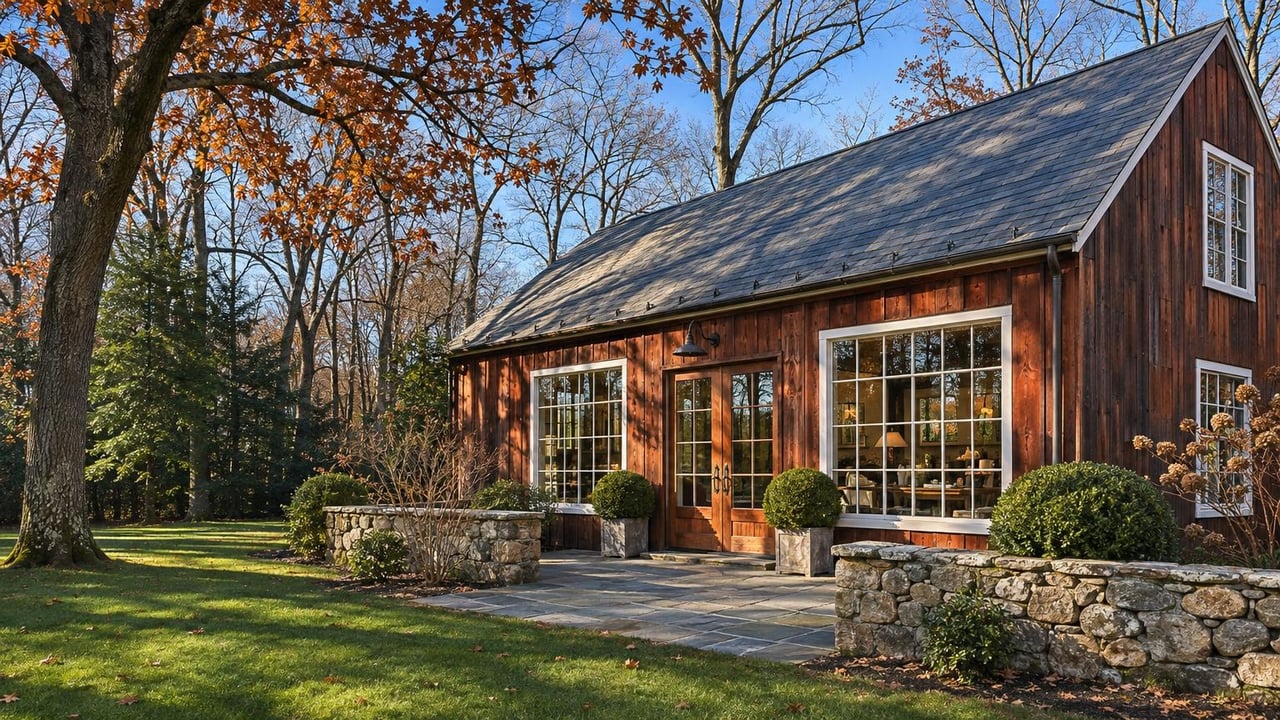
The man at the piano was the 37th president of the United States. The room was in a house that a Saddle River resident had designed years before he arrived. That architect, who ran her practice from a converted barn in the borough, designed both of the Nixons' Bergen County homes.
A house drawn for entertaining, years before Nixon
Eleanore Kendall Pettersen was born in Passaic in 1916 and earned her architecture certificate from Cooper Union in 1941. She worked for Frank Lloyd Wright as a draftsman and then as an apprentice at Taliesin and Taliesin West from 1941 to 1943, according to the Beverly Willis Architecture Foundation. In 1950 she became the first woman licensed as an architect in New Jersey. She completed more than 600 projects, ran her firm out of a converted barn in Saddle River, and was its sole principal for more than 38 years. New Jersey Women's History dates her purchase of that barn to 1952 and notes that she was then the only woman architect in the state with her own office. She died in Saddle River on January 18, 2003.
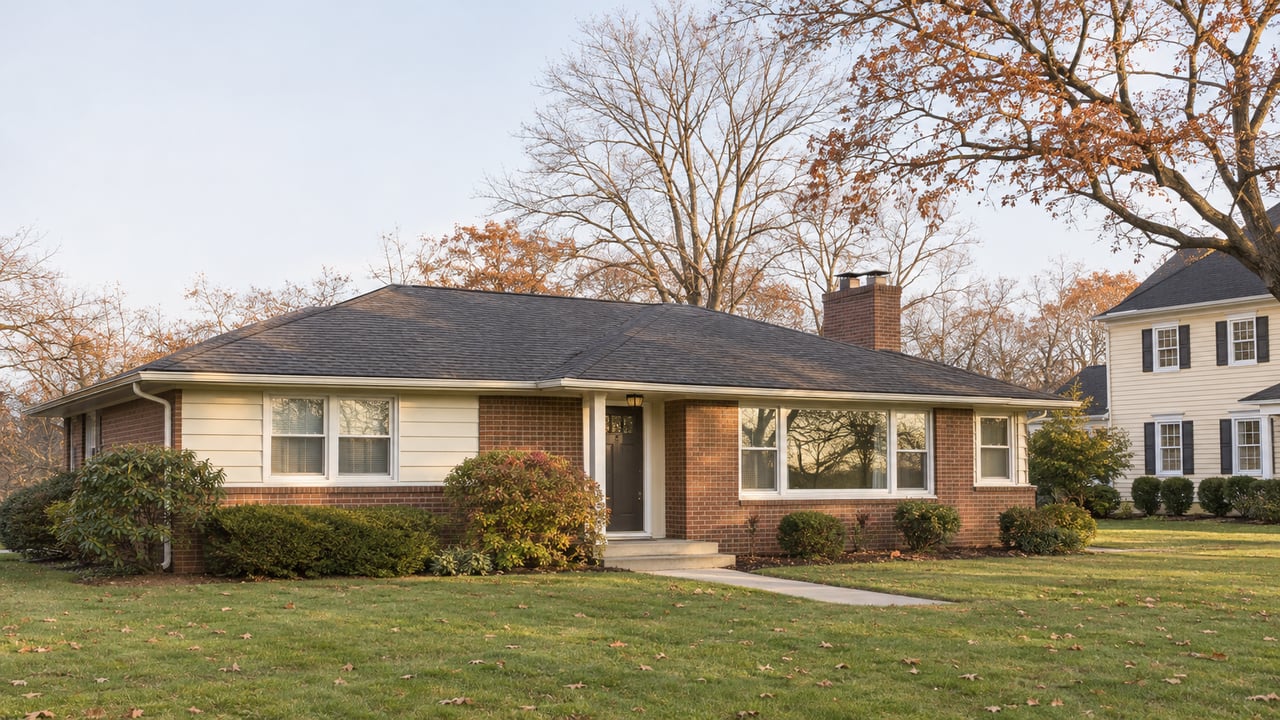
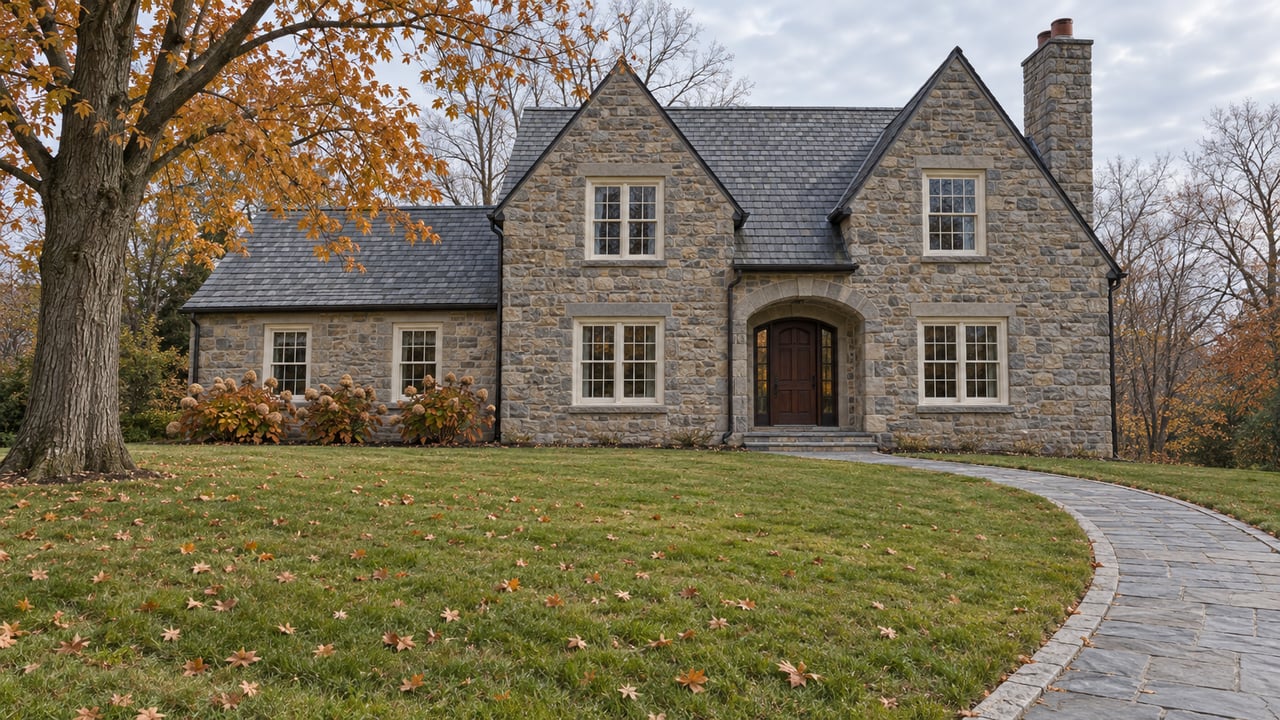
Between 1967 and 1971 she designed what her archive calls the Alford/Nixon House. It is a two-story, 9,000-square-foot residence on four acres, "originally designed for community leaders who entertained on a large, lavish scale." The footprint ran 150 by 135 feet. To keep a house that size at residential scale, Pettersen used a cruciform plan, and her notes say "one never perceives the building in its entirety." The Record described it in 2007 as a wood-frame contemporary on a secluded four-acre lot, with 15 rooms, eight bedrooms, a den with one-way-mirror glass doors, an in-ground pool and tennis courts.
A house planned for large parties suited its later owner well. In 2007 The Record reported that a winding path circled the house, and that the Nixons often walked it with dignitaries, heads of state, family and friends.
October 1981, and a borough that kept its composure
The Nixons sold their Manhattan townhouse in the summer of 1981 and expected to move in that September. The work on the new house ran late, and part of it was the installation of security measures. In the meantime they stayed at the Woodcliff Lake Hilton Inn, about five minutes away. They spent their first night in Saddle River on Friday, October 2, 1981, UPI reported the next day.
When the move was first announced that June, local police had been sent to the house to direct traffic from curious visitors. By October the curiosity had faded. Mayor Duncan Cameron told UPI, "People are very subdued. He will get peace and quiet." He expected any welcome to be a low-key affair. The borough's official history, written by Borough Historian Jon Kurpis, describes 1981 as the year Saddle River "was thrown into the national spotlight."
The household changed in 1985. Nixon gave up the lifetime Secret Service protection he was entitled to, a step a spokesman said would save taxpayers an estimated $3 million a year. He became the first former president to end federal protection, as reported by the Los Angeles Times on March 13, 1985. To lead his own security team he hired Robert Re, then chief of the Ho-Ho-Kus police. Re later served several terms on the Saddle River council. He stayed with Nixon for nine years and, in a profile excerpted by the Richard Nixon Foundation, recalled that Nixon never turned down an autograph or a photo as he walked the streets of the community.
Children remembered Halloween. Writing in The Harvard Crimson in 1994, David B. Lat recalled three years of trick-or-treating there as a Saddle River kid. The heavy gate stood open on Halloween, and a small wooden guardhouse sat beside it. Richard and Pat Nixon shook hands on the doorstep next to wicker baskets of candy. One year the extra treat was an orange card signed by Nixon. Another year it was a boxed brass pen with his engraved signature, and Lat reported that the pens did not write.
A mile down the road, the same architect again
In November 1990 the Nixons sold the Saddle River house for $2.4 million. They had bought it in 1981 for $1.25 million and, according to a family spokesman, put $300,000 into improvements. The Los Angeles Times reported that the listing started at $3.25 million and dropped to $2.9 million that summer. The couple planned to move to a three-bedroom condominium in Park Ridge, about a mile away, which a spokesman said would be easier and less expensive to maintain. They paid for the Park Ridge townhouse in March 1991, NorthJersey.com reported in 2023.
The new address was the Bear's Nest complex in Park Ridge. Bear's Nest is also in Pettersen's portfolio. She designed it in 1983 as 212 townhomes in what she called a "lost memory" Tudor style, with buildings clustered around courts on the model of an English village and many of the existing trees kept. So when the Nixons downsized, they moved from one Pettersen design to another.
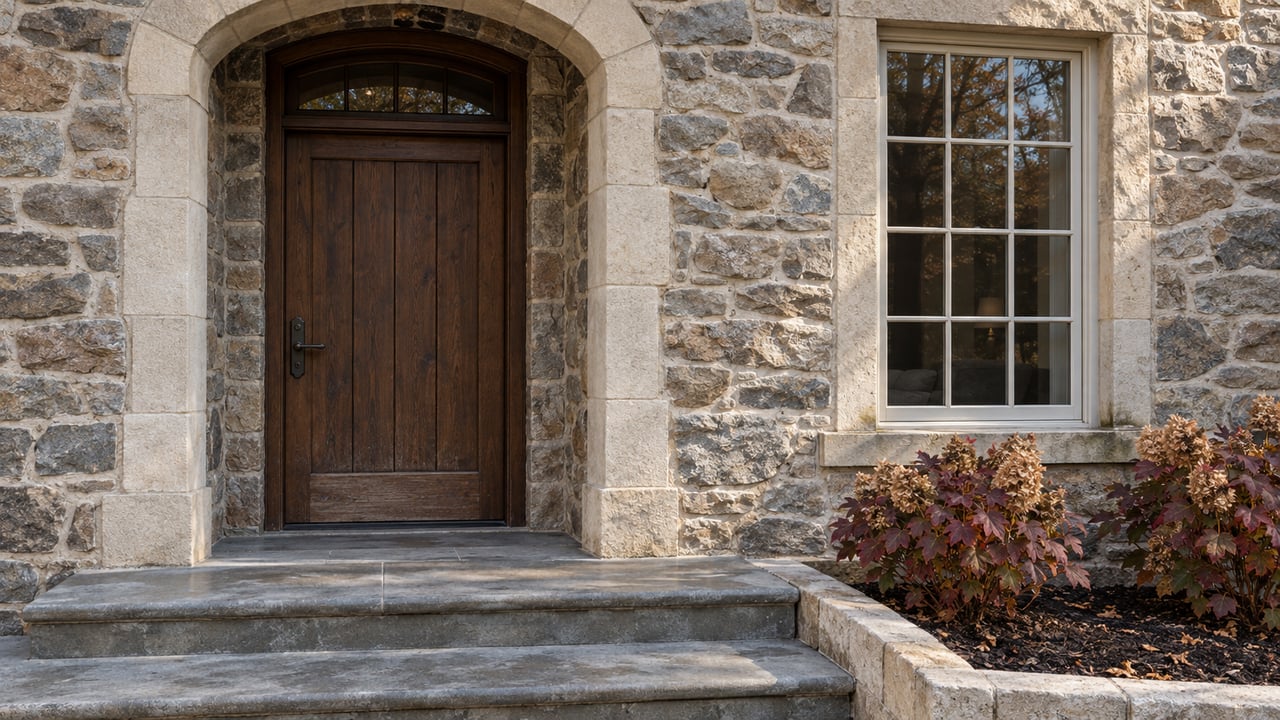
Her other work in the borough dates from the same year as Bear's Nest. The Van Ness Residence of 1983 uses a stone entrance court and a water garden to keep cars apart from the house, in a wide "U" plan. The Ainsfield Residence of the same year is a modified "U," partly dug into the land, with its major rooms facing south and east.
The piece that stayed on East Allendale Road
The house at the center of this story has a later chapter. In 2007 a Saddle River developer who had bought the property about a year earlier told The Record that the aging house had become impractical to keep. He planned to build a new home on the lot, preserve the path the Nixons walked, and avoid subdividing the property. He said most of the furnishings had gone to Okinawa, Japan, where two museums in Nixon's memory were being built.
The guardhouse went somewhere closer. That same week in April 2007, the four-by-four-foot wooden guardhouse that had stood beside the Nixons' winding driveway was moved a quarter mile to the entrance of the Saddle River Museum, which was preparing to open that June with parts of the 1980s security and surveillance system in its collection. "This is part of Saddle River history," Councilman Maurice Burke told The Record. "We're quite proud that former President Nixon lived here and to have some memorabilia to honor him." Re remembered the guardhouse as the place where Secret Service agents went "to get out of the cold."
The museum has its own history as a building. It occupies the barn where the Colonial Door teahouse opened in 1932. The teahouse was owned and operated entirely by women, and the Bergen Evening Record featured it in 1934 in a story about old Bergen County barns put to new uses. Roadside America lists the museum at 88 East Allendale Road. It places the guardhouse outside, between the museum and its parking lot, out of sight from the street, with its own plaque. A visitor who stopped by in October 2015 found it locked. The borough's Landmarks Commission guides the museum's advisory committee. Before visiting, residents can ask the Borough Historian about access at [email protected].
The borough has kept other old buildings in public use, among them the mill-pond buildings behind the Saddle River Inn's 1954 story. Pettersen's practice ran from one Saddle River barn, and the old Colonial Door barn now keeps the guardhouse that stood at Nixon's gate.
Many Saddle River houses carry a history like this one: an architect's name, a building date, a former owner the borough remembers. When you decide to sell a home with that kind of past, Christian Di Stasio Group researches and presents its story with the same care as the photography and the price. Schedule a white‑glove consultation.