Thinking about trading Manhattan’s nonstop pace for more space, privacy, and a different daily rhythm? If you are considering a move to Saddle River, the shift is bigger than a new address. It is a change in how you live, commute, budget, and shop for a home. This guide will help you understand what really changes when you move from Manhattan to Saddle River, so you can plan with confidence. Let’s dive in.
Why Saddle River Feels So Different
The first adjustment is scale. Saddle River has about 3,389 residents across 4.9 square miles, while Manhattan has about 1.66 million residents across 22.7 square miles. That means Manhattan is roughly 106 times denser than Saddle River, which gives you a quick sense of how dramatically the environment changes.
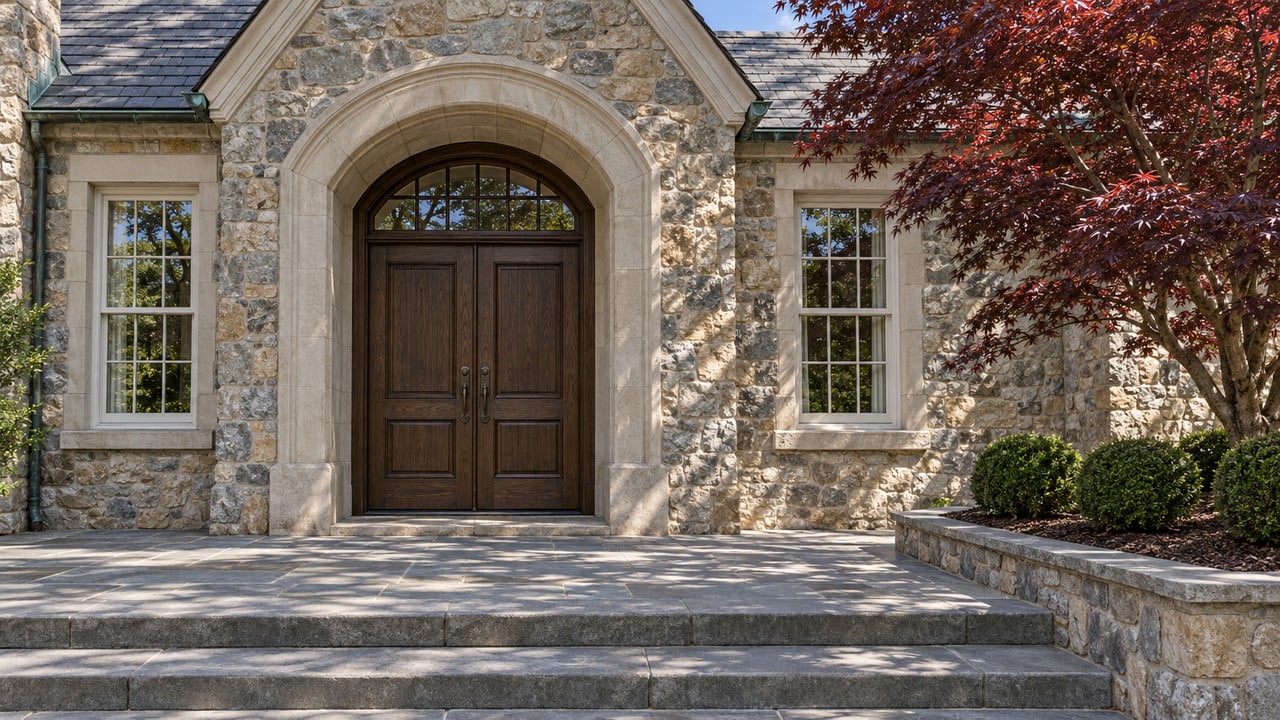
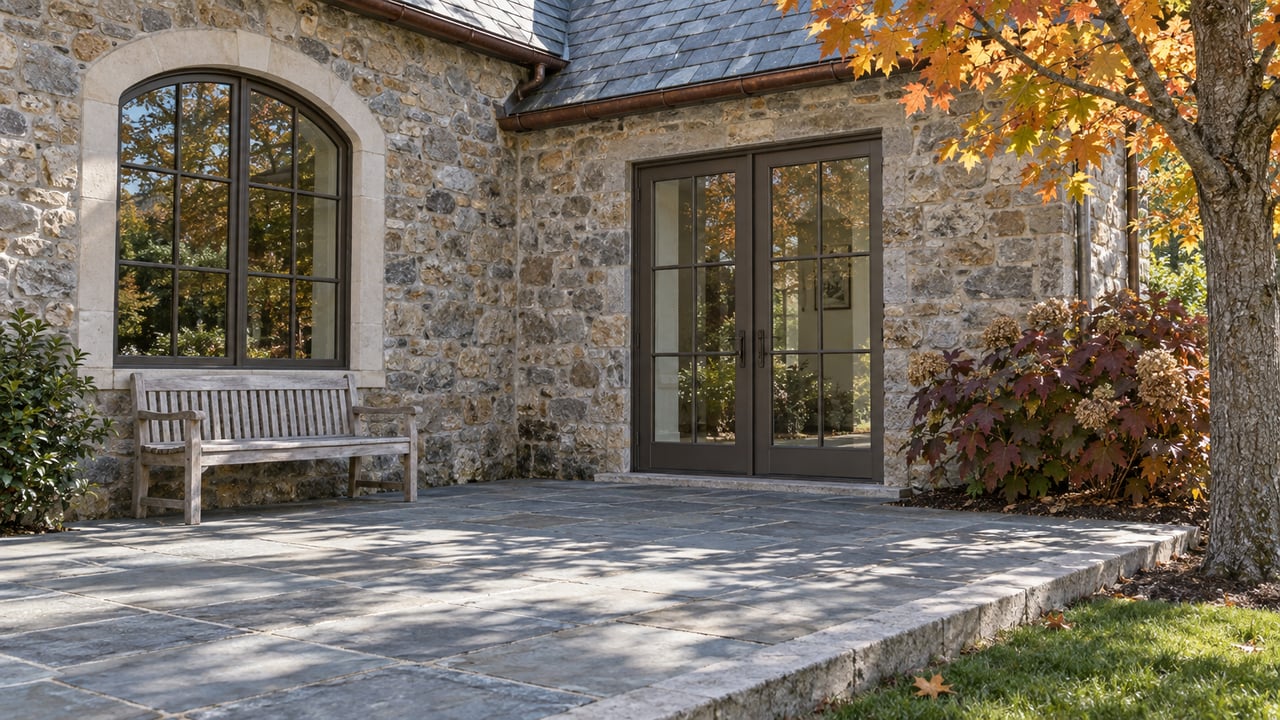
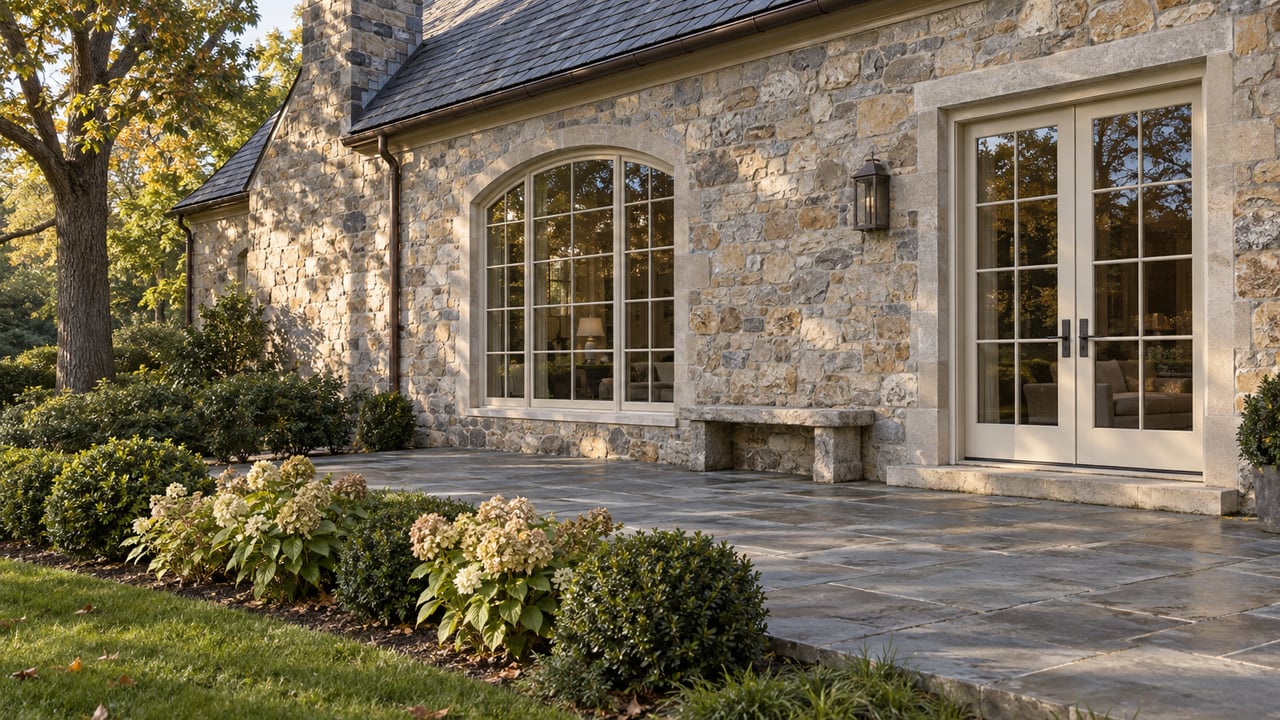
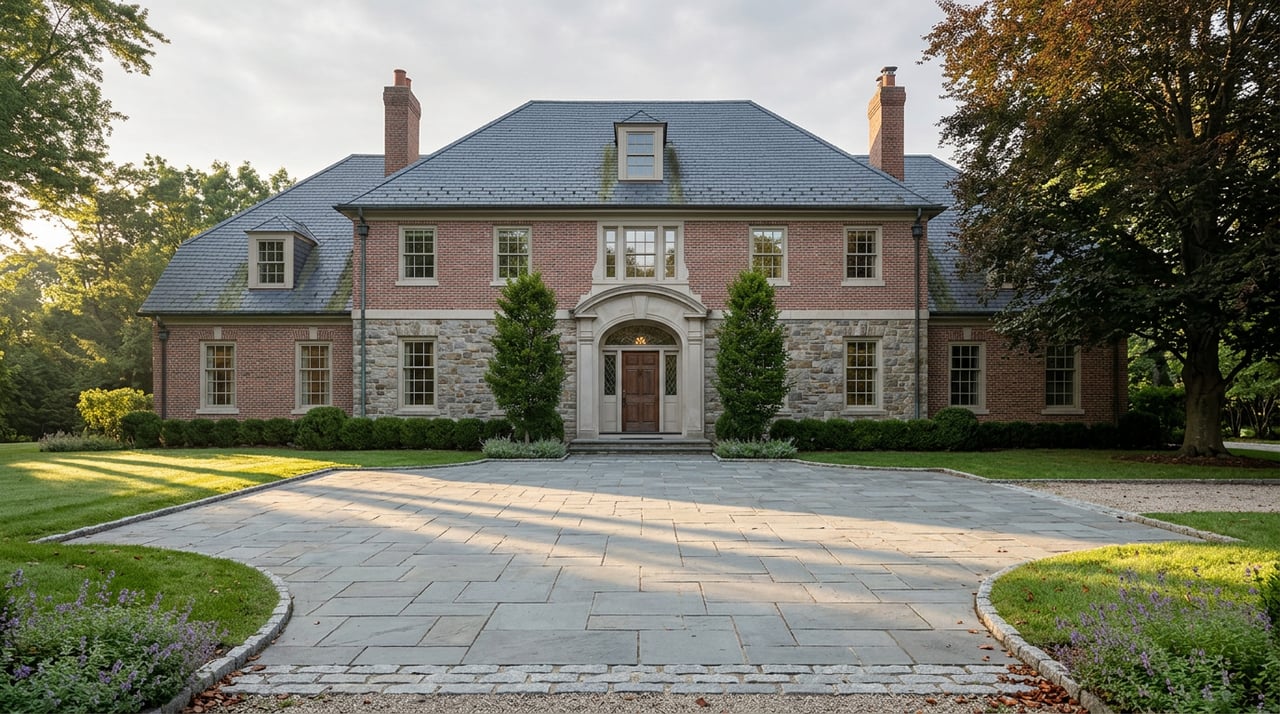
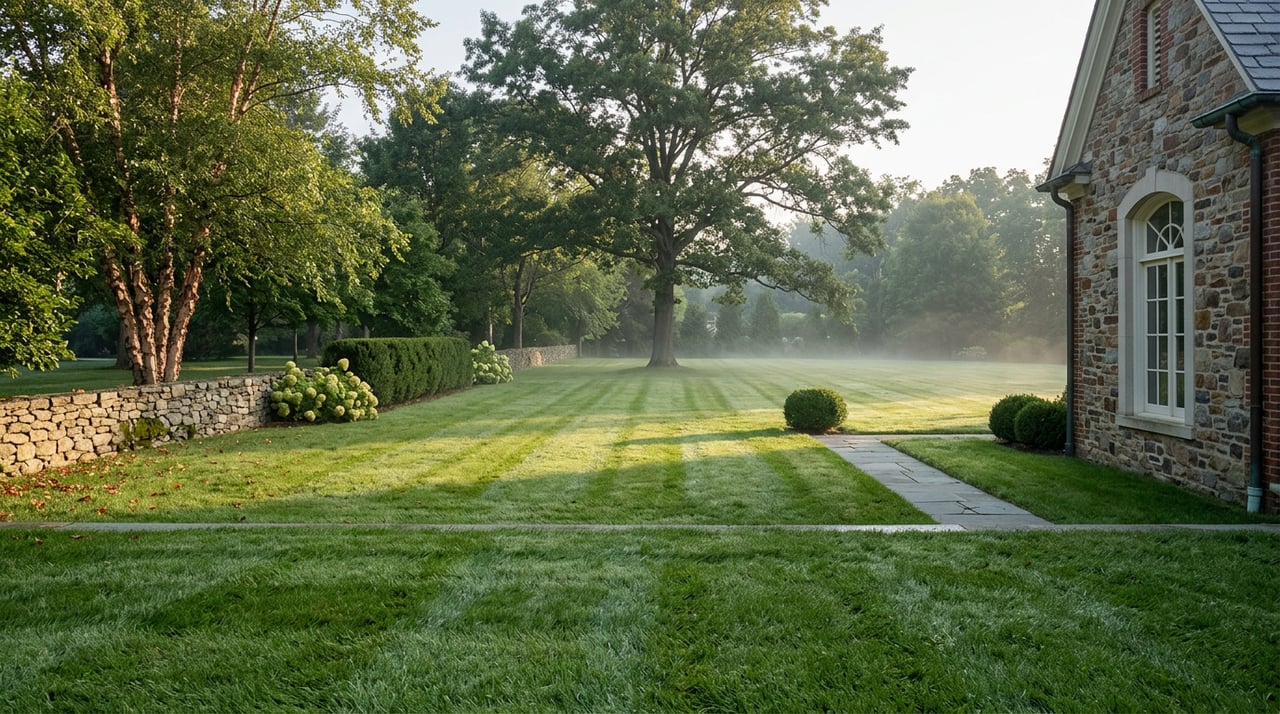
In practical terms, you are moving from vertical living to spread-out living. Instead of apartment buildings, elevators, and crowded sidewalks, Saddle River is defined by detached homes, long driveways, and more land between properties. The borough itself describes its character as small, rural, quiet, and bucolic.
The housing pattern supports that lifestyle. About 84.1% of housing units in Saddle River are owner-occupied, compared with 25.1% in Manhattan. Fewer residents move each year as well, with 3.7% of Saddle River residents having moved in the prior year versus 16% in Manhattan.
What Life in Saddle River Looks Like
Saddle River is built around privacy and low density. The borough has roughly 1,250 homes, and residential uses make up almost three-quarters of the land area. That gives the town a more settled, estate-style feel than a high-turnover commuter suburb.
You will likely notice the pace right away. Errands, arrivals, and weekends feel less compressed. The borough’s planning and zoning history shows a clear long-term goal of preserving a countryside appearance rather than encouraging denser development.
That matters when you are deciding whether the move fits your lifestyle. If you want more room, quieter surroundings, and a home that feels separate from the street and the next property, Saddle River may align well with what you are looking for. If you thrive on walk-out-the-door convenience and constant activity, the adjustment may take more planning.
What Homes in Saddle River Are Built For
Saddle River’s housing stock is not designed like Manhattan or even many close-in suburbs. The borough changed its minimum lot size from one acre to two acres in 1951 to protect its pastoral character. Today, the main residential zoning standards continue to reflect that large-lot approach.
In the main R-1 residential category, the required lot area is 87,120 square feet, which equals 2 acres, along with 200 feet of frontage. Single-family uses in the R-3 category also follow the 87,120-square-foot standard. Townhouse development requires 271,800 square feet, or about 6.2 acres.
For you as a buyer, that means the conversation is less about squeezing value from a compact footprint and more about how you want to use land. You may be comparing privacy, setbacks, outdoor space, driveway length, garage capacity, and how much home and property upkeep you want to take on. In Saddle River, those are not side issues. They are central buying criteria.
What to Expect on Price Point
If you are relocating from Manhattan, it is important to understand that Saddle River is firmly a multi-million-dollar market. Current market portals place median listing prices around $3 million, while Zillow reports an average home value around $2.31 million and a median list price around $3.52 million. Because those figures come from different methodologies, the clearest takeaway is the overall price tier, not any single exact number.
This is not a market where you casually wait for inventory to pile up. Reports show roughly 26 to 32 homes for sale, and the borough has relatively low turnover. With only 3.7% of residents moving in the prior year, the right property may take time to appear.
That is why preparation matters. If Saddle River is your target, it helps to be financially ready and clear on your must-haves before you begin touring seriously. In a low-turnover market, decisiveness can matter just as much as budget.
How the Commute Changes
One of the biggest misconceptions about moving from Manhattan to Saddle River is assuming the commute is a simple reverse version of city life. It is not. Saddle River is part of a car-oriented pattern, and most Manhattan-bound commuters build their route around a station, parking plan, and train transfer rather than a single direct transit line.
NJ Transit’s Main/Bergen County rail corridor is the key framework here. Nearby stations include Waldwick, Ho-Ho-Kus, Ridgewood, Glen Rock, Secaucus Junction, Hoboken, and New York, with PATH and ferry connections available from Hoboken. That means your day-to-day commute may depend heavily on which station you use and how comfortable you are with the transfer chain.
The data reinforces that shift. In Saddle River, 73.4% of workers drive alone, 25% work from home, and the average household has 2 cars. Manhattan leans in the opposite direction, with 43.8% of workers using public transit.
Test the Commute Before You Buy
If you work in Manhattan full time or on a hybrid schedule, one of the smartest things you can do is test your real commute before committing to a home. Not the map version, but the actual weekday version. Drive to the station you would use, check parking, ride the train you would likely take, and note how the transfers feel at your actual travel time.
This step matters because two homes with similar list prices can create very different weekly routines. A better station fit or easier parking setup may have a bigger impact on your quality of life than a slightly shorter map distance. For many buyers, the best home is the one that works both as a property and as a system.
Budget Beyond the Purchase Price
In Saddle River, the budget conversation goes well beyond the sales price. The New Jersey Division of Taxation lists Saddle River’s 2024 average residential tax bill at $19,655, compared with $13,600 for Bergen County overall. On a simple monthly basis, that average works out to about $1,638.
The borough bills local property taxes quarterly on February 1, May 1, August 1, and November 1. Those taxes fund municipal, county, school, health, and open-space costs. For Manhattan buyers used to a different ownership structure, it is important to build these carrying costs into your comfort zone early.
You should also plan for the operating model that comes with larger properties. According to Saddle River public works, the borough does not pick up branches, leaves, vegetation, or building materials. That means some routine property maintenance and disposal needs will require private arrangements.
The Day-to-Day Ownership Shift
This is where the move becomes very real. In Manhattan, building systems often absorb many day-to-day responsibilities. In Saddle River, owning a home often means taking a more active role in managing the property itself.
That can be a major benefit if you want space, autonomy, and control over your surroundings. It can also be an adjustment if you are coming from a building with staff, limited exterior responsibilities, and little need to think about landscape waste or larger-scale home upkeep. The right move is not just about affording the property. It is about wanting the ownership experience that comes with it.
What Buyers Should Prioritize
If you are comparing Saddle River homes, focus on the factors that will shape your life after closing. In this market, a polished search starts with the right filters.
Consider prioritizing:
- Lot size and how much land you actually want to maintain
- Zoning context and how it affects the type of property you are buying
- Commute route, station choice, and parking practicality
- Garage space and overall parking capacity
- Property tax carrying cost
- The level of upkeep you are comfortable managing
- Privacy, setbacks, and how the home sits on the lot
These factors often matter more here than they would in Manhattan. A beautiful home can still be the wrong fit if the commute, carrying cost, or upkeep load does not match your lifestyle.
How to Time the Move Well
Timing a relocation from Manhattan to Saddle River is usually easier when you plan backward from your key dates. Start with your target closing window, lease expiration if you are renting, and any calendar-based family logistics that affect your move. Once those anchor dates are set, the rest of the timeline becomes easier to manage.
Because inventory can be limited, it also helps to separate what is flexible from what is not. You may be able to compromise on a cosmetic detail, but not on your commute plan or overall carrying cost. Knowing that early keeps your search focused and prevents wasted time.
For many Manhattan buyers, the best strategy is to treat the move as both a real estate decision and a lifestyle redesign. That mindset usually leads to better choices and fewer surprises.
Why Guidance Matters in This Search
A move from Manhattan to Saddle River is rarely just about square footage. You are weighing market timing, low-turnover inventory, commute logistics, tax carrying costs, and a very different homeownership model. Having a local, data-driven process can make that transition much smoother.
That is especially true in a market where each property can vary widely in setting, lot experience, and daily practicality. The more clearly you define what matters most, the easier it becomes to identify the right fit and move with confidence.
If you are considering a move to Saddle River and want a thoughtful, white-glove approach to the search, Christian Di Stasio can help you evaluate the market, narrow the options, and make a smart move with clarity.
FAQs
What is the biggest lifestyle change when moving from Manhattan to Saddle River?
- The biggest change is moving from very high-density city living to a low-density, large-lot suburban environment with more privacy, more driving, and more hands-on homeownership.
What kind of homes should buyers expect in Saddle River, NJ?
- Buyers should expect detached single-family homes, custom residences, and estate-style properties on large lots, with zoning that strongly supports low-density development.
How do most commuters get from Saddle River to Manhattan?
- Most commuters build a route around driving to a nearby NJ Transit station, parking there, and using the Main/Bergen County rail corridor with possible transfers through places like Secaucus Junction or Hoboken.
What should Manhattan buyers budget for besides the home price in Saddle River?
- Buyers should budget for property taxes, ongoing upkeep, and private arrangements for some property-related disposal and maintenance needs that do not exist in typical Manhattan apartment living.
Is Saddle River, NJ a fast-moving housing market?
- Saddle River tends to have low turnover, with only 3.7% of residents moving in the prior year, so buyers should be prepared and ready when the right property becomes available.