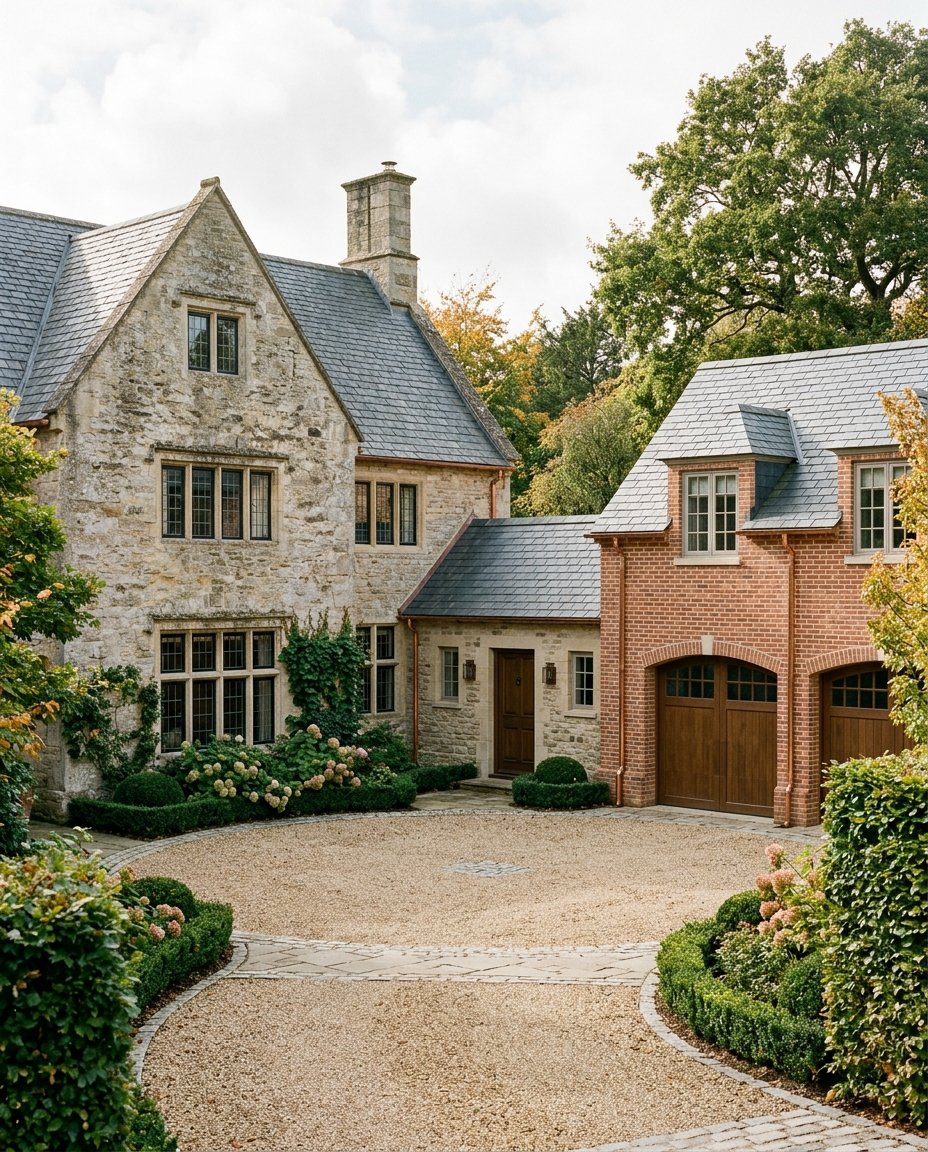
Curious why so much of Saddle River’s "new construction" starts with an older home coming down first? In a market defined by large estate lots, limited vacant land, and high buyer expectations, new inventory often comes from replacement rather than expansion. If you are buying, selling, or evaluating an estate property here, understanding that shift can help you price more accurately, compare homes more intelligently, and spot what truly drives value. Let’s dive in.
Why Saddle River Redevelopment Matters
Saddle River is a small, affluent borough with a mature housing stock and a luxury-first profile. According to the borough’s 2023 ACS-based housing element, the community had 3,358 residents, 1,495 housing units, 85.57% owner occupancy, and 83.8% single-family detached housing. The same report noted that 89% of owner-occupied homes were valued at $1,000,000 or more, which underscores how firmly this is an estate market.
That context shapes how new inventory appears. This is not a place where large waves of new subdivisions are likely to reshape the housing landscape. Instead, most market movement happens within an already established pattern of large-lot single-family properties.
Land Supply Is Tight
A big reason redevelopment matters is simple: there is not much vacant land left. Saddle River’s housing element reported 2,409 acres of residential land, equal to 75.9% of the borough, and only 240 acres of vacant land, or 7.6%. The borough’s 2025 housing element goes even further, describing Saddle River as a fully developed community with a lack of vacant, developable land.
When land is scarce, existing parcels become more important. That is why buyers, sellers, and builders often focus on whether a property is best suited for preservation, renovation, or a full replacement home. In Saddle River, the lot itself is often a major part of the value story.
Zoning Favors Low-Density Estates
Saddle River’s zoning also helps explain why redevelopment tends to happen one property at a time. The borough code states that the R-1 Residential zone is intended for single-family residences on lots of 2 acres or more. The Planned Unit Development zone requires 25 or more contiguous acres, which sets a high bar for larger-scale residential projects.
In practical terms, that means new residential product is still tied to low-density forms. You are not typically looking at broad-based neighborhood buildouts. You are more often looking at selective teardown-and-rebuild projects or major estate renovations on existing lots.
Permits Point To Replacement, Not Expansion
One of the clearest signals comes from permit patterns. The borough’s housing element recorded an average of 2.5 residential building permits per year versus 3.6 demolition permits per year since 2013. That works out to a net annual average of negative 1.1 permits.
Those numbers suggest that Saddle River’s housing supply is frequently being refreshed through replacement. In other words, older homes are coming down more often than entirely new homes are being added to the overall count. For sellers, that can elevate the importance of lot quality and redevelopment potential. For buyers, it means the newest home is often standing on a site with a much longer property history.
What New Construction Looks Like Now
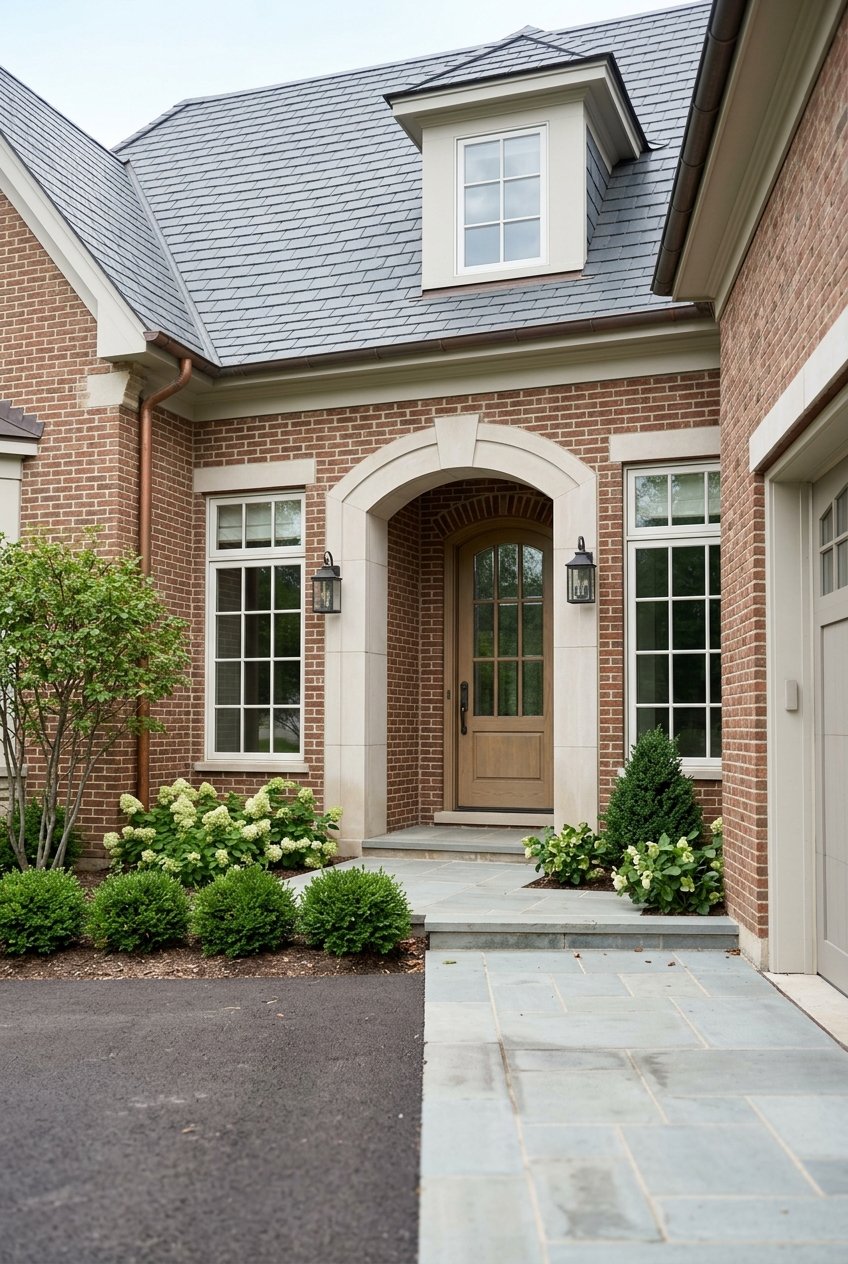
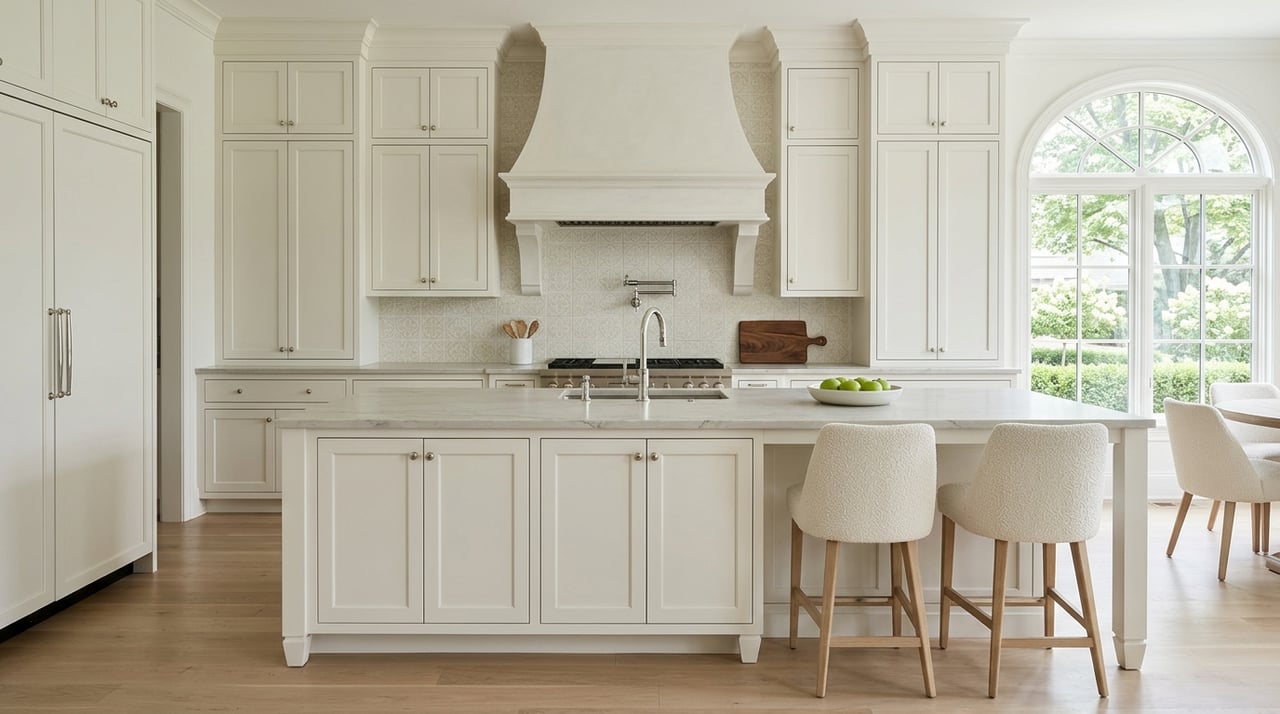
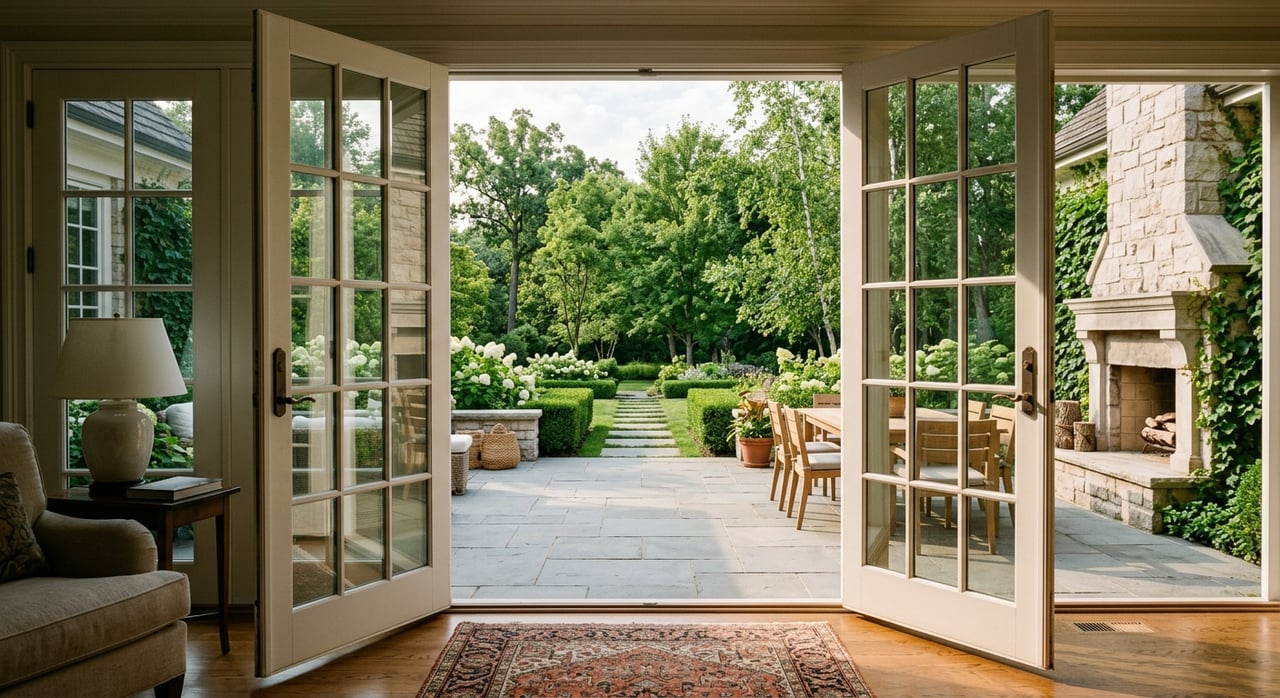
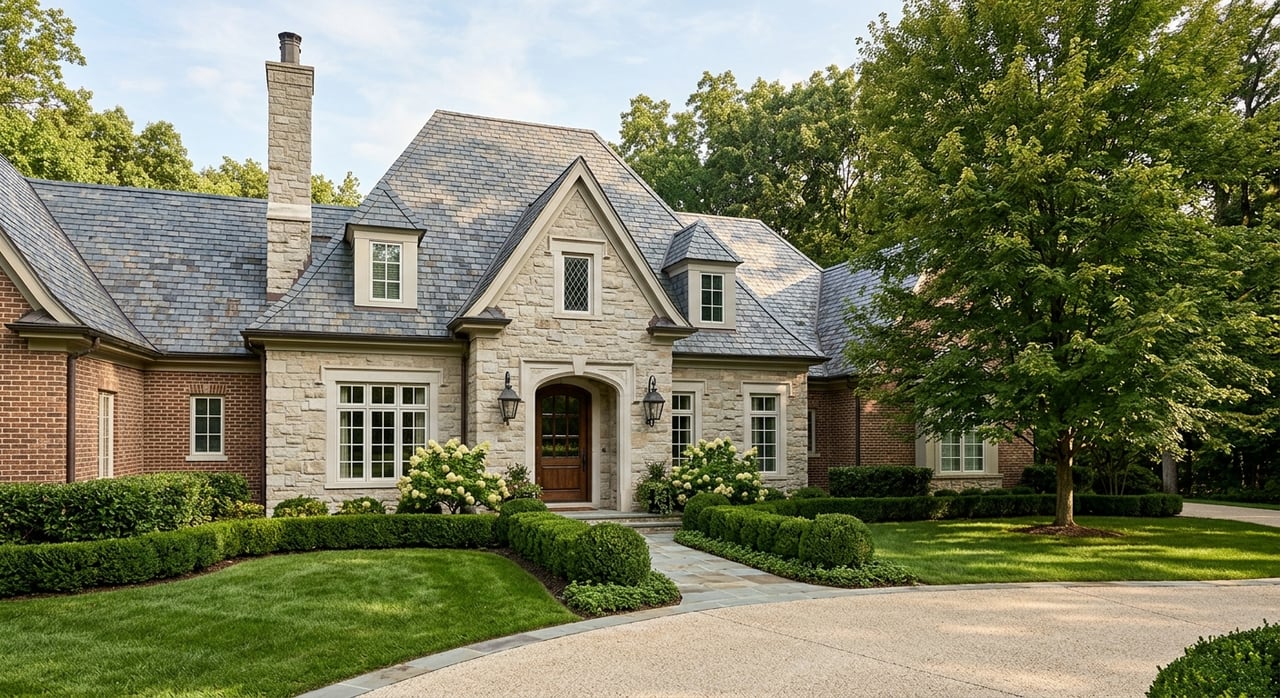
Today’s new construction in Saddle River is not just about square footage. It is also about lifestyle, functionality, and presentation. A recent example at 104 Chestnut Ridge Road was marketed as a 2025 new construction on a 2.06-acre corner lot with 10,432 square feet of finished space, 5 bedrooms, 7.5 bathrooms, 4 fireplaces, radiant heat throughout, a 4-car garage, a first- and second-floor primary suite layout, an outdoor kitchen, a Belgian-block driveway, and new well and septic.
That example helps illustrate the current upper-end standard. Buyers in this segment often expect large-scale entertaining spaces, refined outdoor living, upgraded infrastructure, and flexible layouts that support changing household needs. The product is less about basic shelter and more about complete estate-level livability.
Features Buyers Notice Most
Redfin’s Winter 2025 Saddle River home-trends data highlights which features have been associated with the highest value. The list included:
- 2-story foyer
- den
- wine bar
- theater
- full gym
- family room
- 2-story spaces
- outdoor pool
- views
- high ceilings
The pattern is telling. Buyers are often responding to a mix of entertainment, wellness, and visual impact. A home that feels impressive, useful, and move-in ready may stand out more than one that simply offers more rooms.
Why Legacy Estates Still Compete
New construction is only one side of the Saddle River story. Renovated legacy estates can compete very effectively when they blend architectural character with modern systems and thoughtful updates. In this market, buyers are not always choosing between old and new. They are often choosing between different types of value.
A useful example is 164 E Saddle River Road, known as the Van Buskirk Home. The listing described it as a circa-1707 property with extensive updates in the mid-1990s, including a kitchen addition, bath upgrades, new plumbing and electric, structural reinforcement, a new roof, radiant-heated floors, a home office, a first-floor primary suite, a barn, a pool, and a tennis court.
That kind of property shows why redevelopment does not always mean demolition. If a home offers meaningful acreage, distinctive architecture, and modernized core systems, it can remain highly competitive. For many buyers, authenticity and land are just as compelling as a brand-new build.
What Often Separates Strong Renovations
Not every older estate will compete equally well. In a market where buyers have time to compare options, the strongest renovated properties often combine:
- a desirable lot with privacy and presence
- updated major systems
- a practical floor plan for modern living
- quality craftsmanship and clean execution
- amenities that support today’s lifestyle needs
For sellers, this is a key takeaway. If your home is not brand new, that does not automatically place it at a disadvantage. What matters is how clearly the property delivers on setting, function, and finish.
Buyers Have Time To Compare
Current market conditions reinforce that point. Redfin reported a median sale price of $3.44 million in Saddle River over the three months ending May 2026, with homes taking 136 days on market and selling at 97.3% of list price. Realtor.com showed a median listing price of about $4 million and roughly 31 homes for sale in May 2026, while describing the area as a buyer’s market.
Those figures should not be read as a contradiction. Closed-sale data and active-listing data measure different moments in the market. Together, they suggest that buyers often have room to compare product types carefully rather than rush into a decision.
What This Means If You’re Selling
If you are selling in Saddle River, your strategy should reflect the fact that buyers are evaluating homes across several categories at once. Your property may be compared not only to similar resales, but also to renovated estates and high-end new construction. That makes positioning especially important.
A smart listing strategy starts with identifying your home’s strongest competitive angle. That could be lot size, architectural character, updated systems, privacy, amenity package, or redevelopment potential. In a slower-moving luxury market, precise pricing and polished presentation matter because buyers have time to be selective.
Seller Priorities In This Market
If you are preparing to sell, focus on these questions:
- Does the lot itself add redevelopment appeal?
- Are major systems updated and easy to document?
- Which features match what buyers currently value most?
- Is the home best positioned as turnkey, improved legacy estate, or land opportunity?
- Does the marketing clearly show scale, layout, and lifestyle use?
For estate sellers in particular, broad exposure and premium visual presentation can make a meaningful difference. When buyers are comparing finely segmented luxury options, the story you tell around the property matters almost as much as the specs.
What This Means If You’re Buying
If you are buying in Saddle River, it helps to look beyond the label of "new construction" or "renovated estate." The better question is whether the property delivers the mix of lot quality, layout, systems, and amenities that fits your priorities. A newer house may offer efficiency and turnkey ease, while a legacy estate may offer character, acreage, and a more established setting.
Because inventory can span very different product types, due diligence matters. You may be weighing a teardown-rebuild site against a fully finished home, or comparing a modern estate program with a historically rooted property that has already been extensively improved. In this kind of market, the right purchase is usually the one that best aligns with your long-term use, not just the newest one on paper.
The Big Trend To Watch
The clearest trend in Saddle River is that change is happening through estate redevelopment, not broad new expansion. Tight land supply, low-density zoning, and a mature housing base all point in the same direction. Over time, that means buyers and sellers should expect continued competition between newly built estates and thoughtfully updated legacy properties.
That also means value is likely to remain highly property-specific. In Saddle River, sweeping generalizations are less useful than careful analysis of the lot, the improvements, the design, and the market positioning. Whether you are buying or selling, local context is what turns raw data into smart decisions.
If you are weighing a purchase, preparing an estate for sale, or exploring redevelopment potential in Saddle River, a tailored strategy matters. For white-glove guidance backed by Bergen County market knowledge, reach out to Christian Di Stasio.
FAQs
What is driving new construction activity in Saddle River?
- Limited vacant land, low-density zoning, and a mature housing stock are pushing much of Saddle River’s new inventory toward teardown-and-rebuild projects rather than large new subdivisions.
How much vacant land is left in Saddle River?
- Saddle River’s housing element reported 240 acres of vacant land, equal to 7.6% of the borough, and described the community as lacking vacant, developable land.
What kinds of homes define the Saddle River market?
- Saddle River is dominated by single-family detached housing, with 83.8% of its housing stock in that category and a large share of owner-occupied homes valued at $1,000,000 or more.
What features are attracting buyers in Saddle River new construction homes?
- Recent market data points to strong buyer interest in features like 2-story foyers, high ceilings, theaters, wine bars, full gyms, outdoor pools, family rooms, and other entertainment- and wellness-focused spaces.
Can a renovated older estate compete with new construction in Saddle River?
- Yes. A renovated estate can compete well when it combines distinctive architecture, meaningful acreage, updated systems, practical living spaces, and well-executed improvements.
Is Saddle River currently a fast-moving market for luxury homes?
- Available market data suggests a slower pace, with median days on market reported at 136 and buyers having time to compare different property types carefully.