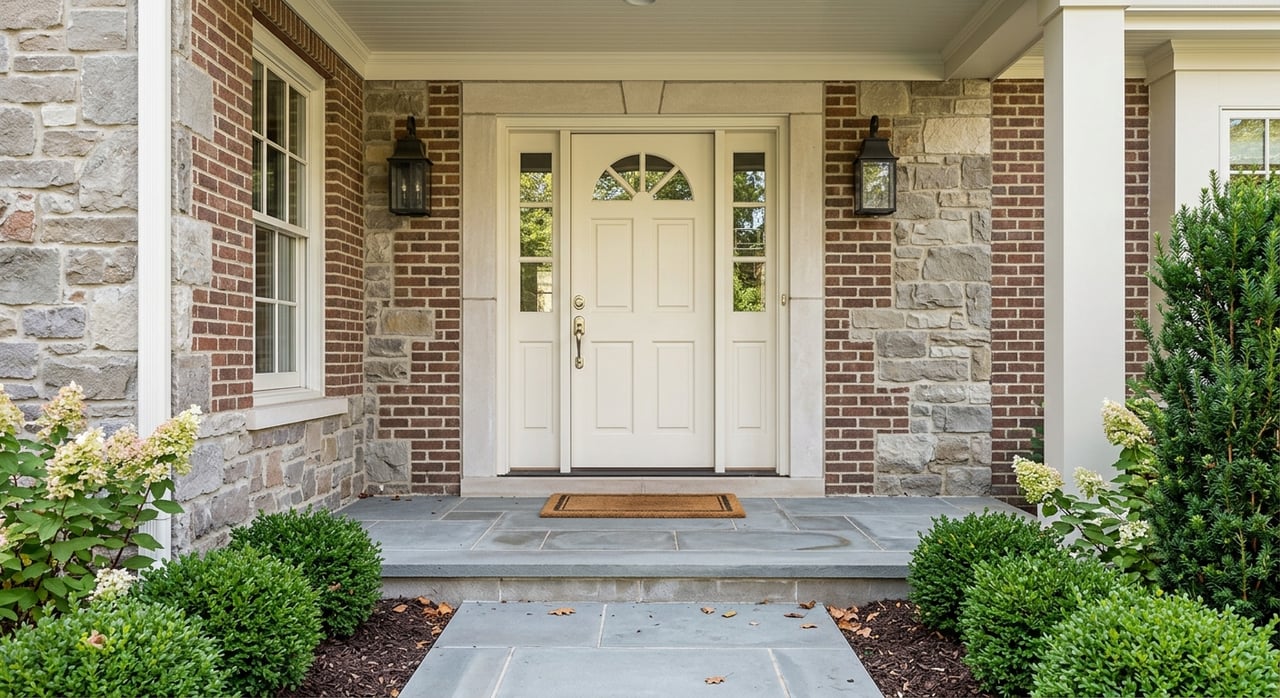
Wondering whether you should renovate before selling your Paramus home? It is a smart question, especially in a market where buyers still pay strong prices but do not ignore condition. If you want to protect your time, budget, and final sale price, the right answer is usually not a full remodel. In most cases, you will get better results by fixing what is broken, refreshing what buyers can see, and presenting your home with care. Let’s dive in.
What the Paramus market is telling sellers
Paramus remains a high-value market, but it is not a market where every home sells effortlessly regardless of condition. Redfin’s May 2026 data shows a median sale price of $1,199,282, about 3 offers on average, 79 days on market, a 101.1% sale-to-list ratio, and 47.0% of homes selling above list price. At the same time, 9.9% of homes had price drops.
Bergen County’s April 2026 single-family update points to a similarly strong but selective environment, with a 34-day market, an $840,000 median sales price, and 104.1% of list price received. Together, those numbers suggest that buyers are still active, but they are making choices carefully. Strong presentation and accurate pricing matter, and homes with obvious issues may not get the same response as well-prepared listings.
The short answer on renovating before selling
For most Paramus homeowners planning to sell within the next 12 months, a major renovation is usually not the best move. A full kitchen gut, large addition, or highly customized upgrade can cost a lot, take time, and may not come back to you at closing. In a market like this, that can create more risk than reward.
A better strategy is often to focus on repairs, cosmetic updates, staging, and professional presentation. That approach lines up with what buyers say they want and with the kinds of projects that show stronger resale return in the Middle Atlantic region.
Why buyers are less willing to overlook condition
Recent buyer research shows that 46% of buyers are less willing to compromise on the condition of a home. Buyers who choose new construction often do so because they want to avoid renovations or concerns with plumbing and electrical systems. That matters if your home has deferred maintenance or visible wear.
It also helps explain why simple improvements often outperform expensive personal upgrades. Buyers are usually reacting to what feels clean, cared for, and move-in ready. If they see problems right away, they may reduce their offer or move on.
Renovations that tend to make sense
If you are going to spend money before listing, focus first on projects that improve condition, appearance, and marketability without creating a long construction timeline.
Fix visible problems first
Condition issues are rarely the place to cut corners before a sale. If your home has a roof leak, HVAC problem, plumbing issue, electrical concern, or another obvious defect, buyers may assume there are more problems behind the scenes. Those issues can affect showings, negotiations, and inspection results.
Taking care of the basics helps your home feel well maintained. It also lowers the chance that a buyer will use repair concerns to justify a discount.
Prioritize small, high-visibility updates
The 2025 Cost vs. Value report for the Middle Atlantic region shows that smaller, visible projects tend to offer the strongest recapture. Some of the top examples include:
- Garage door replacement: 336.6%
- Steel entry door replacement: 219.8%
- Manufactured stone veneer: 200.7%
- Minor midrange kitchen remodel: 107.2%
- Fiber-cement siding: 99.3%
- Vinyl siding: 96.3%
- Midrange bath remodel: 79.9%
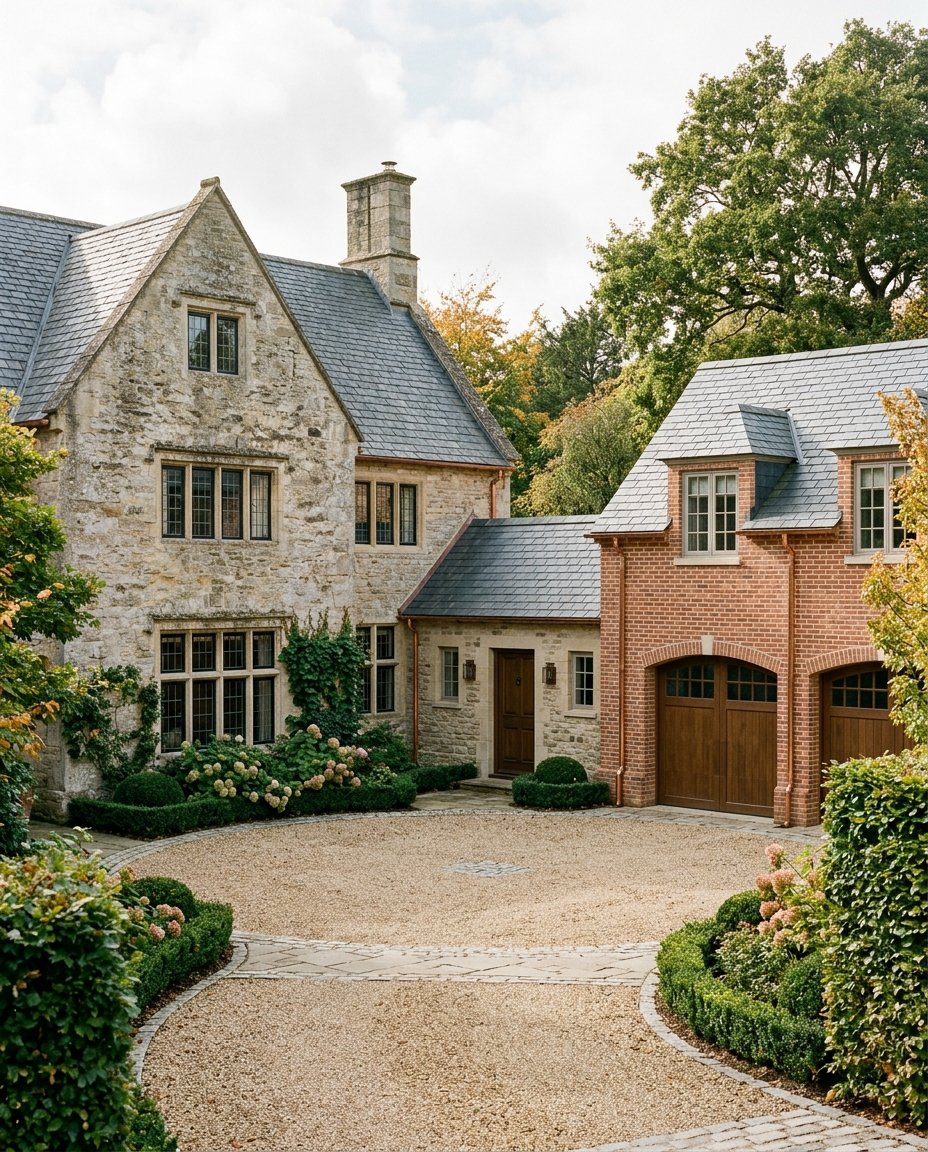
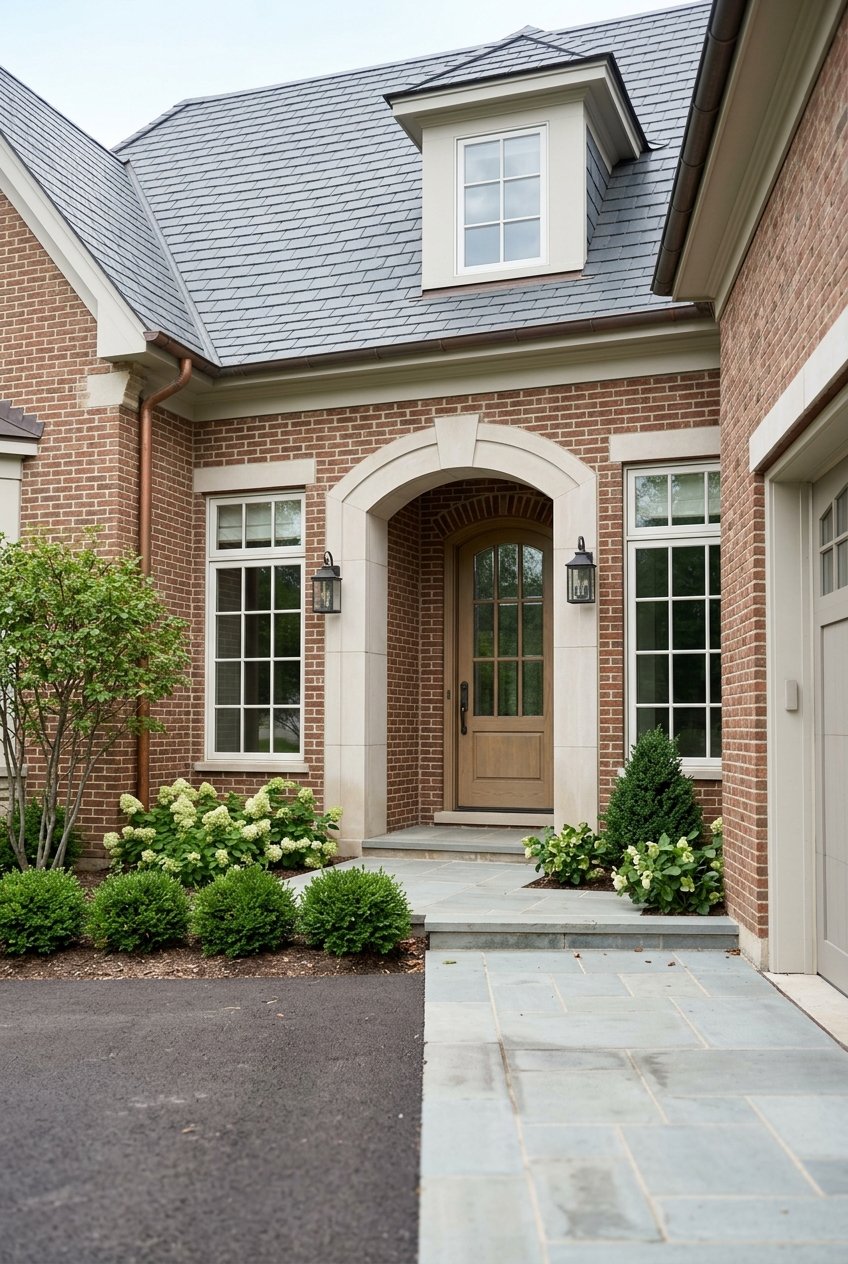
These numbers support a simple idea: buyers notice first impressions. Clean lines, fresh finishes, and updated focal points often do more for resale than large behind-the-walls projects that are harder to see.
Use paint, cleaning, and staging strategically
Not every improvement needs to be a renovation. In many cases, paint, deep cleaning, decluttering, and staging can have a bigger impact than sellers expect. NAR’s 2025 staging report found that 29% of agents saw a 1% to 10% increase in value when a home was staged, and 49% saw faster sales.
That same report says the most common seller recommendations are decluttering, cleaning, and improving curb appeal. It also puts the median staging-service cost at $1,500 when the agent handled the staging. For many Paramus sellers, that is a far more efficient use of money than starting a major remodel right before going to market.
Renovations that usually do not pay off
Big projects can be tempting, especially if you have lived in your home for years and know exactly what you would change. But what improves your lifestyle does not always improve your resale outcome.
Be cautious with major kitchen remodels
A large kitchen renovation may look impressive, but the regional resale math is often underwhelming. In the 2025 Cost vs. Value report, a major midrange kitchen remodel recouped about 49% of cost in the Middle Atlantic region. That is a major gap between what you spend and what the market may return.
By contrast, a minor kitchen refresh performed much better. If your kitchen is functional but dated, a lighter-touch update may be the better play.
Do not over-improve for your segment
Over-improvement can happen when sellers install expensive finishes or highly specific design choices that nearby comparable homes do not support. In a selective market, buyers may appreciate the work but still refuse to pay enough to cover it. That is especially true when the update reflects personal taste more than broad appeal.
Before committing to a larger project, it helps to ask whether the local market is likely to reward it. If the answer is unclear, a pricing and presentation strategy may be safer.
Permits can affect your timeline in Paramus
One of the most overlooked parts of pre-sale renovation is timing. Paramus’ Building Department states that most construction, alteration, repair, renovation, and reconstruction work requires a permit under the New Jersey Uniform Construction Code, except for ordinary repairs.
The borough also lists permits for kitchen and bathroom work, roofing, siding, HVAC, electrical service or panels, patios, driveways, generators, and air-conditioning related site work. It warns that unpermitted work can lead to zoning problems, fines of $2,000 per violation, removal of the improvement, and insurance issues.
For sellers planning to list within a year, that matters. A project you think will take a few weeks can easily absorb the window you hoped to use for photography, marketing, and launch.
A practical decision framework for Paramus sellers
If you are trying to decide what to do before listing, this simple framework can help.
1. Start with permit-light improvements
Begin with updates that are quick, visible, and less likely to create delays. These may include:
- Interior paint
- Deep cleaning
- Decluttering
- Landscaping and curb appeal work
- Garage door replacement
- Front door replacement
- Light kitchen or bath refreshes
These improvements support first impressions and often photograph well, which matters because buyers consistently value photos, detailed property information, floor plans, and virtual tours when searching online.
2. Repair anything that signals neglect
Next, address issues that buyers will notice right away or that could come up in inspections. Focus on:
- Roof leaks
- HVAC failures
- Plumbing concerns
- Electrical issues
- Obvious code or safety problems
This type of work may not always be exciting, but it can protect your price and reduce friction during the transaction.
3. Think twice about major elective projects
If you are considering a full kitchen remodel, luxury bath overhaul, or larger addition, pause and review the likely return. In many cases, the cost, permit burden, and timeline simply do not support the decision if you plan to sell soon.
That does not mean large projects are never worthwhile. It means they should be backed by local comparable sales and a clear strategy, not by guesswork.
4. Get a local pricing opinion first
Before you spend heavily, get a professional read on your home’s position in the Paramus market. A local advisor can help you compare your home to current competition, identify the updates buyers will actually reward, and avoid unnecessary work.
That step matters because the right answer is different for every property. One home may need only paint and staging, while another may need meaningful repairs to avoid buyer pushback.
Presentation matters as much as renovation
In many Bergen County listings, the difference between a strong result and a disappointing one is not a six-figure remodel. It is thoughtful preparation, polished presentation, and a pricing strategy built around real buyer behavior.
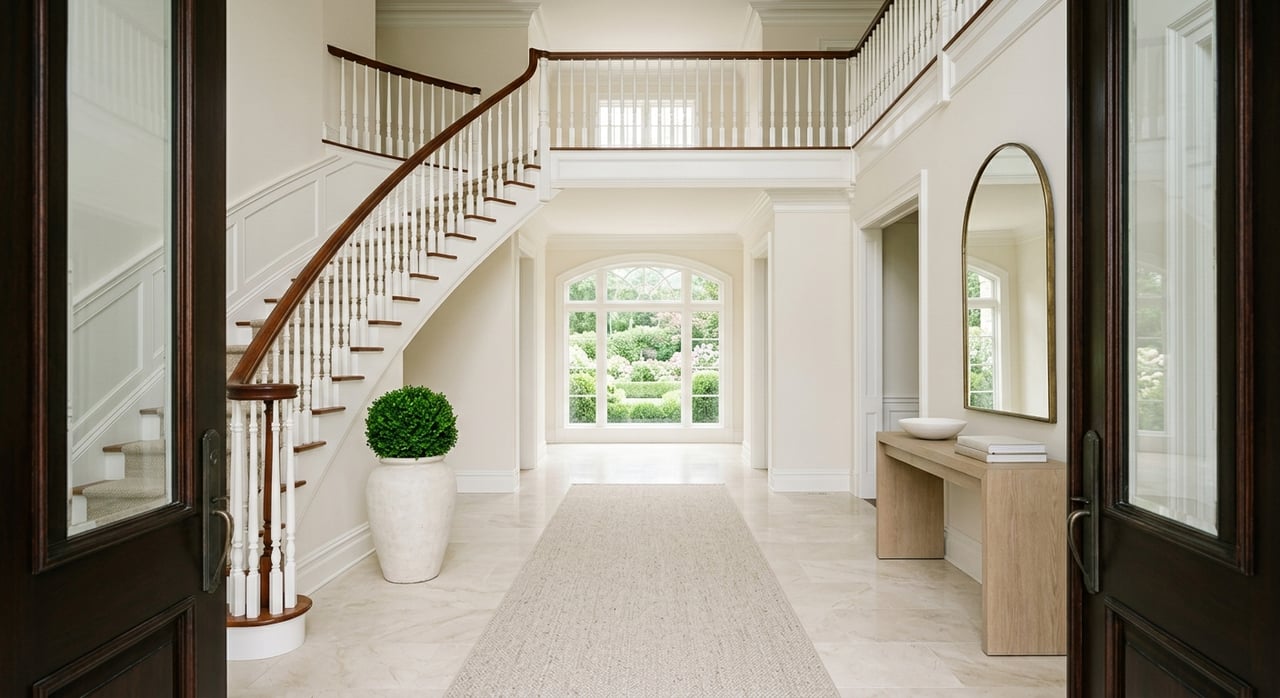
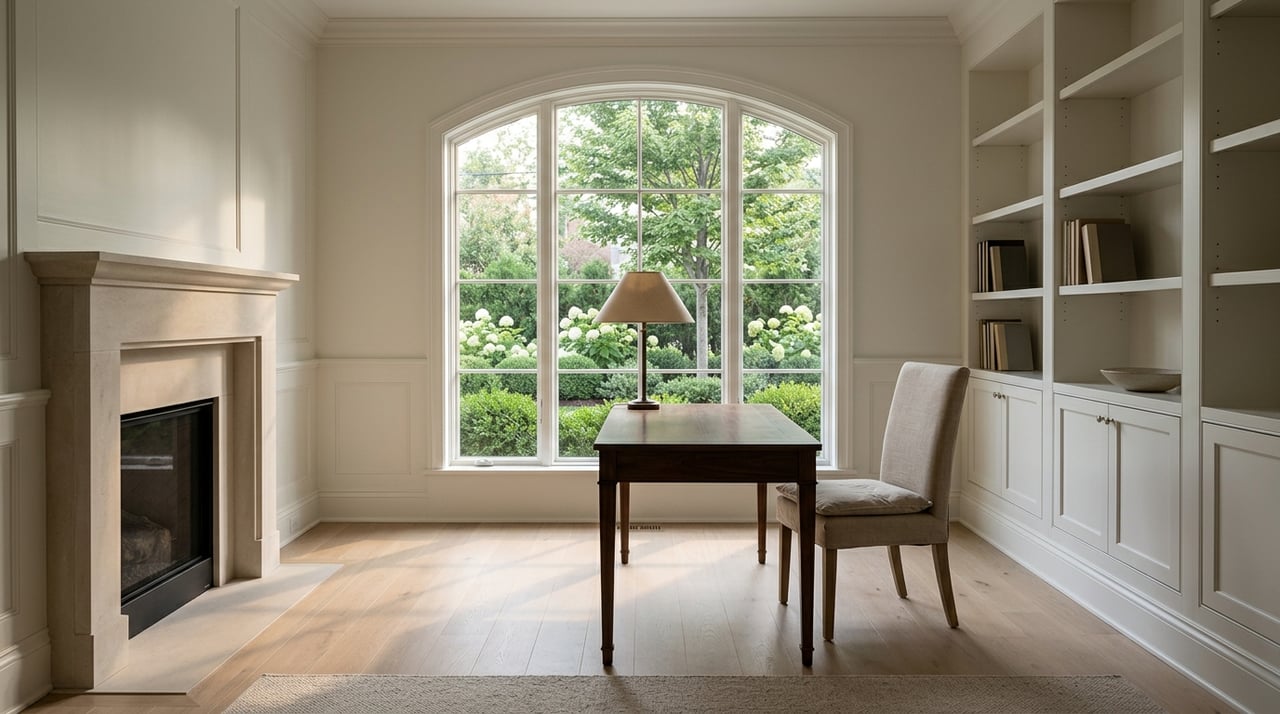
That is especially true in a market where buyers are selective and digital first impressions count. When your home is clean, bright, well-staged, and professionally marketed, buyers can focus on the value of the property instead of the work they think they will need to do.
The bottom line for selling in Paramus
So, should you renovate before selling your Paramus home? Usually, not in a major way. If you expect to list within a year, the stronger default is to repair what is broken, refresh what is visible, improve presentation, and make decisions based on local comparable homes.
That approach helps you stay efficient, reduce risk, and position your home to compete well in today’s market. If you want a tailored strategy for your property, connect with Christian Di Stasio to schedule a white-glove consultation.
FAQs
Should you do a full kitchen remodel before selling a Paramus home?
- Usually no, especially if you plan to sell within 12 months. The 2025 Cost vs. Value report shows a major midrange kitchen remodel in the Middle Atlantic region recoups about 49% of cost, while a minor midrange kitchen remodel recoups about 107.2%.
What repairs matter most before listing a home in Paramus?
- Focus first on issues buyers will notice or that may affect inspections, such as roof leaks, HVAC failures, plumbing problems, electrical concerns, and obvious code issues.
Do you need permits for renovation work before selling a Paramus home?
- In many cases, yes. Paramus states that most construction, alteration, repair, renovation, and reconstruction work requires a permit, except for ordinary repairs.
Is staging a better option than remodeling for a Paramus home sale?
- Often yes. NAR’s 2025 staging report found that 29% of agents saw a 1% to 10% increase in value with staging, and 49% saw faster sales.
What small updates add value before selling in Paramus?
- The strongest candidates are visible, practical updates like paint, decluttering, curb appeal improvements, garage door replacement, front door replacement, and light kitchen or bath refreshes.
How is the Paramus housing market affecting pre-sale renovation decisions?
- The market is still strong, but buyers are selective. With homes seeing solid prices alongside price drops and varying time on market, smart preparation and accurate pricing usually matter more than expensive over-improvement.